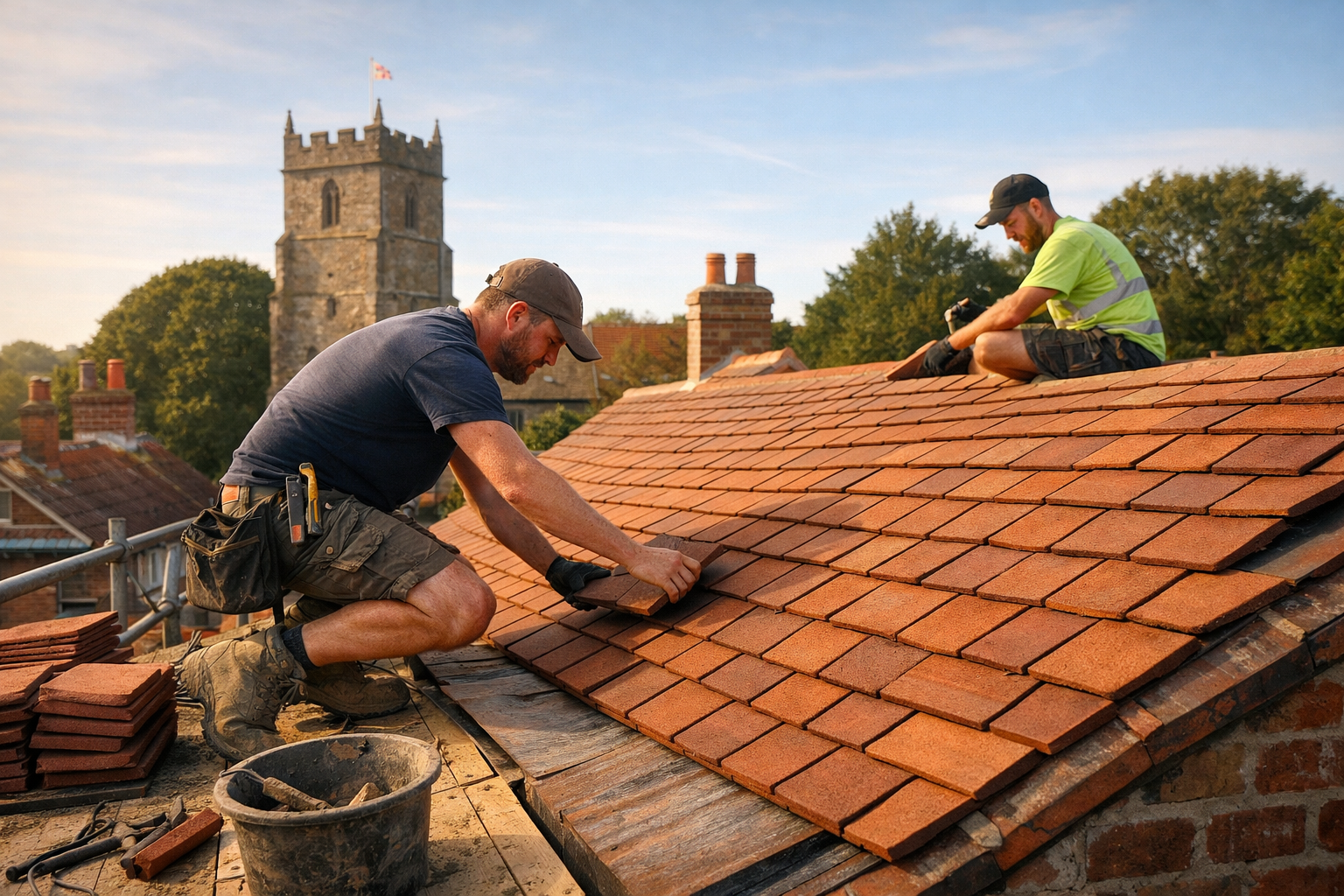
Why Project Pages Matter for Builder SEO (And How to Structure Them)
Why Project Pages Matter for Builder SEO (And How to Structure Them)
Most building companies have a project gallery.
But very few use it properly for SEO.
For many builders, project pages are:
- A few photos
- A short paragraph
- A date
- And nothing more
They look good visually.
But they don’t strengthen rankings.
When structured correctly, project pages can significantly improve local SEO performance.
The Problem with Typical Builder Project Pages
Most project pages:
- Don’t target specific services
- Don’t mention towns clearly
- Don’t use structured headings
- Don’t link to relevant service pages
- Don’t reinforce authority
- They function as portfolios.
- Not as SEO assets.
Google can’t extract clear ranking signals from vague galleries.
How Google Interprets Project Content
Google looks at:
- Context
- Relevance
- Internal linking
- Service reinforcement
- Location signals
If your project page says:
“Kitchen extension completed this summer.”
That’s weak.
If it says:
- “Single-storey rear extension completed in Guildford”
That’s structured, relevant and location-aligned.
Clarity strengthens rankings.
How Project Pages Strengthen Service Authority
Let’s say you want to rank for:
“Home extension builder in Guildford”
If you have:
- A dedicated Home Extensions page
- Multiple extension project pages
- Each referencing Guildford and surrounding towns
- Internal links between them
You create layered authority.
This is a core part of a structured SEO for builders strategy.
How Project Pages Improve Google Maps Rankings
Google Maps prominence is influenced by:
- Website authority
- Content depth
- Service relevance
- Local signals
When your website clearly reinforces:
- Services
- Towns
- Completed projects
- It strengthens your Google Business Profile performance.
Project pages aren’t separate from Maps.
They support it.
That’s why they’re part of a proper local SEO for builders approach.
How to Structure Project Pages Properly
Here’s what a strong SEO-focused project page should include:
1️⃣ Clear Service Title
Instead of:
“Recent Project”
Use:
“Rear Home Extension in Guildford”
Clear service + clear town.
2️⃣ Structured Headings
Include:
- Overview of the project
- Scope of work
- Challenges
- Materials used
- Outcome
This creates semantic depth.
3️⃣ Service Reinforcement
Naturally reference:
- Extension services
- Renovation services
- Structural work
- And link back to relevant service pages.
4️⃣ Location Signals
Mention:
- Town
- Surrounding area
- Regional context
- Without keyword stuffing.
5️⃣ Internal Linking
Each project page should:
- Link to relevant service pages
- Link to your main Builder SEO page
- Strengthen your content hierarchy
- Internal linking builds authority.
How Many Project Pages Should Builders Have?
There’s no fixed number.
But more high-quality, structured projects = stronger authority signals.
Especially when they:
- Reinforce services
- Reinforce towns
- Are internally linked strategically
- Quality over volume.
Why Most Agencies Ignore Project SEO
Many SEO providers focus on:
- Homepage optimisation
- Service pages
- Basic keyword targeting
- But ignore portfolio structure.
- For builders, that’s a mistake.
- Your projects are proof of expertise.
When structured correctly, they:
- Improve rankings
- Increase trust
- Increase enquiry conversion
The Difference Between a Gallery and an SEO Asset
A gallery shows your work.
An SEO-structured project page:
- Reinforces service relevance
- Strengthens town targeting
- Improves authority signals
- Supports Google Maps visibility
That’s a major difference.
Want to See If Your Project Pages Are Helping or Hurting?
We offer a free Builder SEO audit.
You’ll see:
- Whether your project pages strengthen authority
- If your internal linking is weak
- Where competitors are using portfolio SEO better
- What structural fixes would improve rankings
No pressure.
No obligation.
Just clarity.